
WASHINGTON — On routine grocery trips to Whole Foods, it鈥檚 not uncommon for Nora Pouillon to request to speak with a produce manager at a volume so loud it’s guaranteed to attract attention from other customers.
鈥淲here鈥檚 all the organic produce?鈥� she鈥檒l demand, over bins of brightly colored lemons, tomatoes and peppers, making sure she鈥檚 loud enough for the nutritionally concerned mothers to hear.
It may seem like an exaggerated problem to passers-by, but to Pouillon, insisting on organic is the core of a mission she launched nearly 40 years ago, long before 鈥渙rganic鈥� was even a term recognized by Congress. And the nation’s pioneer of organic eating is not slowing down any time soon.
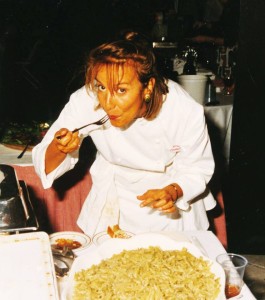
Pouillon came to the United States from Vienna in the 1960s as a new bride to her French husband. The young couple quickly settled into a life in D.C., but there was one thing that Pouillon could not stomach when it came to living in America: the food.
鈥淲hen I came here, I thought it was a culinary wasteland,鈥� says Pouillon about her first experience at an American grocery store.
鈥淲hen I looked at the shelves, it was all year round the same thing. The fruits and vegetables — it was always apples and pears and oranges and lemons, and it was never with the seasons. And the bread — oh my God, the bread. There were aisles and aisles of Wonder Bread. 鈥� It was a real shock to see how people ate.鈥�
Not buying food was not an option. Pouillon, after all, was married to a French man. 鈥淎nd you know how French people are: They want to eat delicious food,鈥� she says.
After receiving a tip from a friend, Pouillon started shopping at some of the city鈥檚 smaller, ethnic food stores. With access to more familiar food, Pouillon quickly developed a passion for cooking, and even developed a reputation around town for her lavish dinner parties.聽Eventually, Pouillon鈥檚 passion led to profit when she launched a small cooking school.
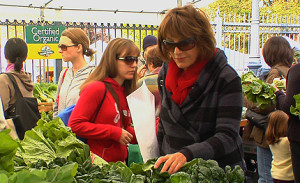
But one day, when聽Pouillon was placing聽a food order for聽one of her classes, she had a conversation with a meat distributor that changed the way she would forever teach, cook and eat. She learned about the animals’ non-traditional feeding practices, the use of hormones聽and the application of antibiotics.
鈥淭hat鈥檚 when I really decided I have to pay attention to what I buy and where it comes from and how it is raised,鈥� she says. She adopted an organic approach to food.
Pouillon continued teaching聽cooking classes until the new owners of The Tabard Inn asked her to open a restaurant at their Dupont Circle bed and breakfast. She agreed, but under one condition: She wanted to bring her healthy and sustainable way of cooking to the restaurant.
鈥淚 could not eat [natural and organic food] at home and give my customers food I know is unhealthy. I could not kill my customers, basically,鈥� she says.
A few years later, Pouillon left The Tabard Inn to open her own restaurant: Restaurant Nora.
Being a female executive chef in the late 鈥�70s was a challenge in its own right, but聽launching聽an organic restaurant proved to be more challenging — especially since her biggest hurdle was how to get food into her kitchen. Few farmers聽 were farming organic, and limited sources meant a somewhat limited menu at times.
鈥淭hen, of course, the next challenge was to convince my customers that if they pay more for this food, it鈥檚 because it鈥檚 healthier for them,鈥� Pouillon says.
She was even advised against calling the food on her menu 鈥渙rganic.鈥� She called it 鈥渁dditive-free鈥� instead, but led to聽confusion as well.
Despite not fitting into a particular culinary category, Pouillon鈥檚 approach to cooking clearly caught on. Restaurant Nora quickly became a go-to spot for politicians, journalists and artists. Presidents have dined there; Michelle Obama鈥檚 surprise birthday party was hosted there.
It wasn鈥檛 until 20 years after opening that Pouillon was finally able to put a label on her food. In 1999, she became the first certified organic restaurant in the U.S.
鈥淚 could not have done it earlier, I think. There was just not that much available. To prove that 95 percent is organic, that was difficult,鈥� she says.
After obtaining the certification, Pouillon inspired other chefs and restaurant owners to follow her lead. There are now more than 100 certified organic restaurants in the U.S.
The produce bins and the bread shelves in the grocery store are also much different today than when Pouillon first came to America. But she says there鈥檚 still a long way to go, both in terms of education and accessibility.
鈥淲e are still not informed enough,鈥� she says about the effects of pesticides and other additives found in conventional food.
When consumers gripe about the high price of organic, Pouillon likes to remind them that it takes a lot of work to grow food. After all, you hardly see a farmer driving up to the market in a Cadillac.
鈥淭hat鈥檚 the true price of food, and that鈥檚 what the farmer has to charge to make a living,鈥� Pouillon says.
And there鈥檚 always a tradeoff, she tells people.
鈥淵ou save on medical bills what you spend on food. And I prefer to spend my money on food and not on medicine.鈥�
—
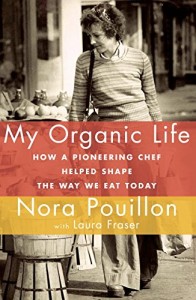
Pouillon shares her personal and professional stories of becoming an organic chef in her new book,


