
This article was republished with permission from 草莓传媒’s news partners at . Read the story at Maryland Matters.
This content was republished with permission from 草莓传媒鈥檚 news partners at Maryland Matters. Sign up for today.
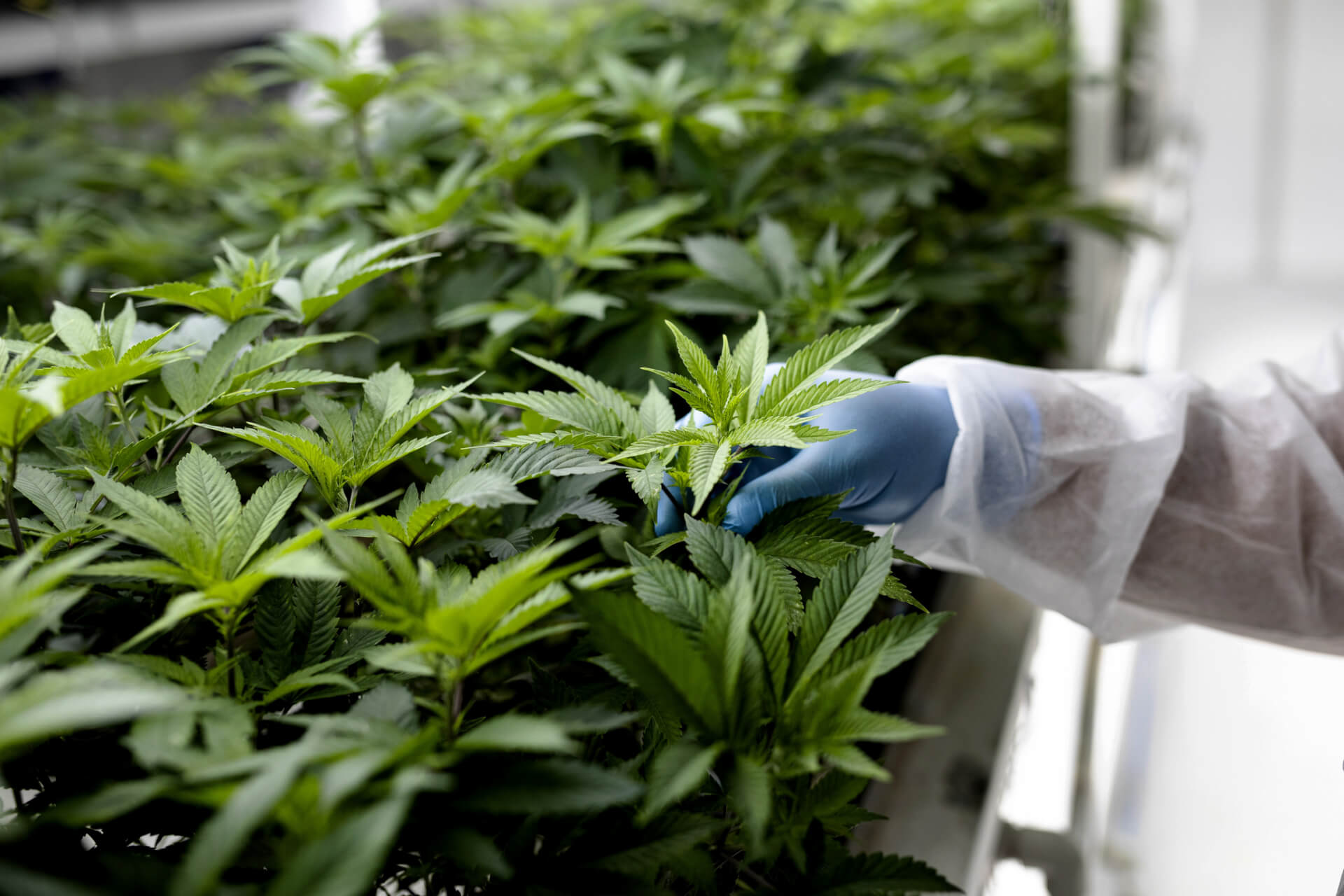
Maryland lawmakers are poised to approve legislation creating the potential for enormous expansion of growing space for the state鈥檚 new medical and recreational cannabis market.
A bill awaiting final approval in the Senate would cap cannabis growing area 鈥� referred to as canopy听鈥� to a total that is roughly 23 times more than licensed growers are using now. Some worry that such an increase 鈥� should growers and the state fully maximize the potential 鈥� would depress prices and force operations out of Maryland鈥檚 nascent recreational cannabis market.
鈥淲hat will happen?鈥� asked Sen. Chris West (R-Baltimore County). 鈥淚s there someone in position to deal with this problem, if we end up having too much canopy and it鈥檚 driving the prices down and driving the operators out of business?鈥�
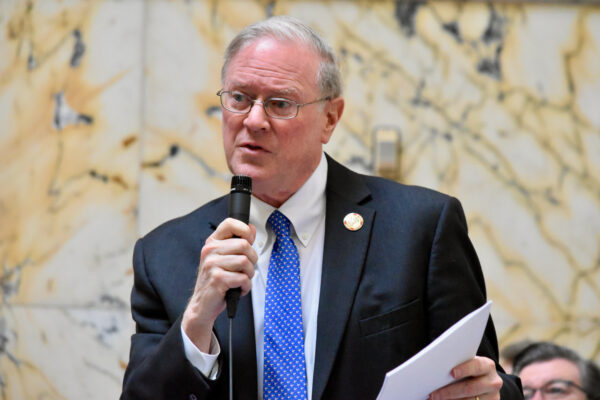
West pointed to a study presented to lawmakers which estimated the state would need far less growing capacity than 22.5 million square feet 鈥� roughly equivalent to the square-footage of 300 typical Wegman鈥檚 grocery stores. It noted problems in the cannabis market in Massachusetts, which is experiencing a tanking market that some say is tied to a glut of cannabis.
鈥淎nd that once again was at 3.2 million square feet of canopy 鈥� far less than the 22.5 million square feet that鈥檚 being authorized here in Maryland,鈥� West said.
The Senate gave preliminary approval to听听Thursday. It would establish licensing, regulatory and tax frameworks for implementing the state鈥檚 adult-use recreational cannabis industry. The bill includes听听from legislation passed by the House, which will need to be resolved.
The bill would limit the number of licensed growers to 75, with each allowed up to 300,000 square-feet of growing space.
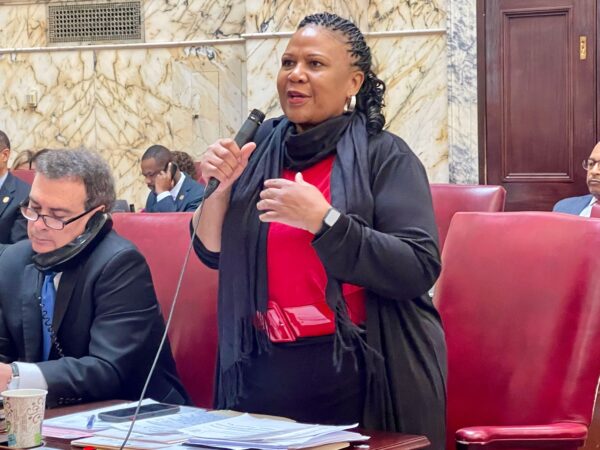
鈥淥ur experience with medicinal cannabis, our experience looking at other states is that even with the maximum number that we鈥檝e allowed, that we don鈥檛 expect that each one of the growers will get to that maximum amount,鈥� said Senate Finance Committee Chair Melony Griffith (D-Prince George鈥檚).
Maryland鈥檚 five-year old medical cannabis program places no limits on the size of grow facilities. There are no caps on production, according to Will Tilburg, executive director of the Maryland Medical Cannabis Commission.
And the state is seeing price drops.
The average consumer price per gram in Maryland fell in 19 of 20 months between April 2021 and Nov. 2022. During that time, the average price fell nearly 43% to $6.29 per gram, on average. It is the first time the average price for a gram of cannabis fell below $7 in the history of the five-year old program, according to data from the Maryland Medical Cannabis Commission.
During that same period, the commission reports increases in total sales in all three categories of cannabis products 鈥� infused and vape products and cannabis flower.
鈥淲e鈥檝e seen this [price drops] across the country as markets in other states mature,鈥� said Tilburg, adding that such decreases have benefited patients who rely on a product they pay for out of pocket.
The legislation working its way through the General Assembly contains a number of safety valves including an initial moratorium to hold current licensees to their existing growing area, tiered rollouts of licenses and market studies by regulators. Those studies will guide decisions on the actual number of licenses and growing capacity needed, Tilburg said.
鈥淭he cannabis industry in Maryland is still in its nascency,鈥� said Tilburg. 鈥淚n 鈥�24 and 鈥�25 there are likely to be changes based on how this rolls out.鈥�
The state鈥檚 18 operational licensed cannabis growers have more than 931,000 square-feet of combined indoor and outdoor growing space for mature plants, according to data provided by the commission.
Licensed growers have unused capacity, according to figures they reported in November to state regulators. The combined space used for growing represents just two-thirds of the more than 1.4 million square-feet available.
Existing licensees would have to convert to a new hybrid recreational-medical license issued by the state that comes with increased fees.
If lawmakers approve the cap on growing capacity at 300,000 square feet, Maryland鈥檚 cap听would exceed the 3.2 million square feet grown in Massachusetts.
鈥淭hey鈥檙e going to kill the market and put a lot of people out of business,鈥� said David Rabinovitz, a cannabis entrepreneur and consultant in that state.. 鈥淎 lot of people will lose money.鈥�
Maryland lawmakers and industry experts used Massachusetts as a benchmark because the state鈥檚 population of 6.9 million is similar to Maryland鈥檚 6.2 million people.
Massachusetts limits growers to 100,000 square feet. That state has seen price drops of 50% over the last year that are causing some large growing facilities to go dormant, said Rabinovitz.
Rabinovitz urged Maryland lawmakers to consider reducing the maximum growing capacity.
鈥淚鈥檇 cut back for a whole bunch of reasons,鈥� he said. 鈥淚 might cut it back to 30,000 square-feet.鈥�
Nine of the current 18 operational licensed growers already exceed Rabinovitz鈥檚 suggested cap.
Tilburg cautioned against comparing Maryland to other states.
鈥淭here really is no one-size-fits-all approach,鈥� he said.


