
WASHINGTON — 鈥淚 wanted, essentially, a show to change topics faster than you felt like flipping the channel.鈥�
That concept from Erik Rydholm, the executive producer for ESPN鈥檚 half-hour sports news discussion show “Pardon the Interruption,” may not seem like a novel one. But back in 2001, with no precedent for a sports debate show on television other than the panel-style “Sports Reporters,” “PTI” was the first of its kind. Now in its 14th season, the experiment has been one of the most successful shows on the most powerful sports network in the world.
And it鈥檚 filmed right here in D.C.
The bulk of ESPN鈥檚 production is done at their massive Bristol, Connecticut, campus, but a small office in the District houses the production staff for “PTI,” “Around the Horn” and “Highly Questionable with Dan LeBatard.” The other shows have grown out of the success of “PTI,” which launched back in 2001 on the premise that two sports reporters with good chemistry — The Washington Post鈥檚 Tony Kornheiser and Mike Wilbon — could carry a half-hour’s worth of sports topics a day.
The show has become such a fixture in the sports landscape now that such an idea may have seemed obvious at the time. It wasn鈥檛.
Matthew Kelliher was an assistant producer on “SportsCenter” working at the home office in Bristol when the opportunity came up to work on “PTI.” Newly married, the Georgetown graduate was in his late 20s and saw it as a chance to get back to a big city, and to take a chance on a fledgling project. His co-workers thought he was insane.
鈥淲hen I took the job, no one thought it was a good idea,鈥� he recalls. 鈥淚 remember I was standing behind a couple of associate producers at the time and they were reading about the show. They said 鈥極h my God; who would ever watch this? This show is never going to make it.鈥欌��
Rydholm was far more confident, telling his boss he thought the show鈥檚 format was an innovation that could lead to a 20-year run. By only talking for a short time about each topic, they could come back to it in the future as the story developed without exhausting everything the hosts would have to say on the matter.
There were other novel elements that propelled “PTI”鈥檚 success. The show was one of the first to use the scrolling list of upcoming topics on the side of the screen. Today, that has become commonplace on “SportsCenter,” but it started on “PTI.” It鈥檚 one of the reasons the show has often been imitated, but its impostors have not found near the same level of interest.
Between the TV viewership and those watching online on WatchESPN or downloading the podcast version of the show to listen, the show was still drawing over a million sets of eyes and ears each day in late 2013, . That was roughly double Wolf Blitzer鈥檚 鈥淭he Situation Room鈥� on CNN (631,000), more than 10 times MLB Network鈥檚 鈥淚ntentional Talk鈥� (72,000) or FS1鈥檚 鈥淐rowd Goes Wild鈥� (64,000) and more than 20 times NBCSN鈥檚 鈥淧ro Football Talk鈥� (47,000) during the same time period. Back in 2009, “PTI” in ratings.
Ultimately, though, Rydholm knows the formula hinges on the relationship between his hosts, who are quite opposite on the surface.
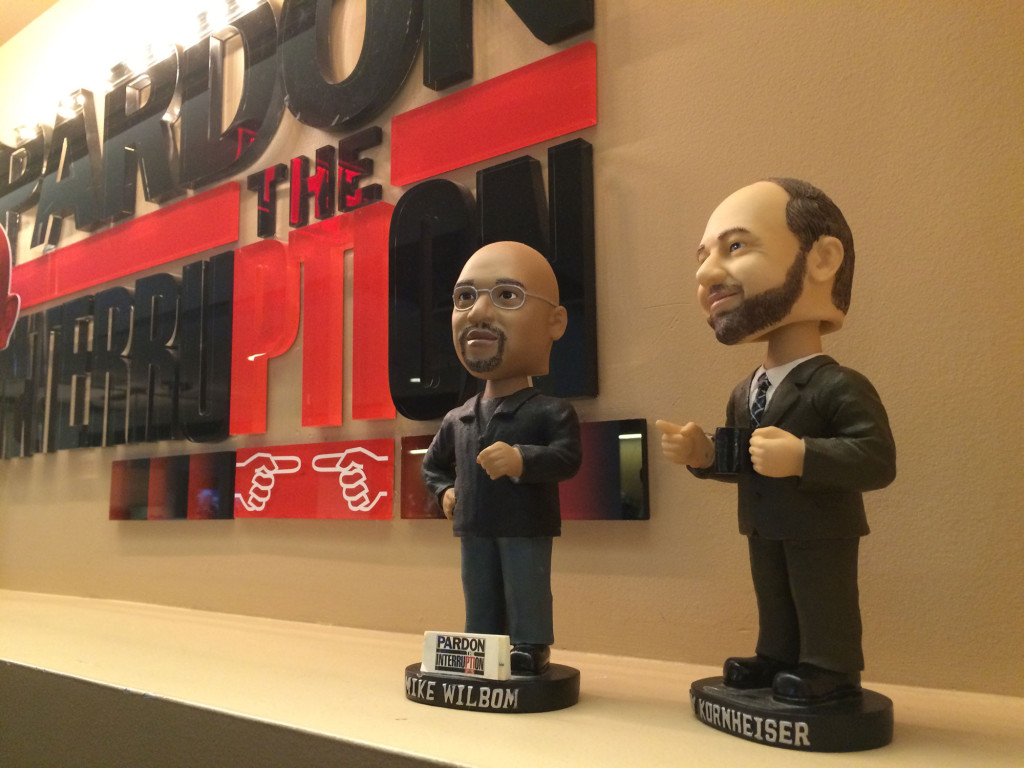
One is white, one black; one is older, one younger; one was raised Jewish, the other a product of Catholic high school. They also have different styles in approaching topics. Wilbon is more passive, the yin to Kornheiser鈥檚 instigative yang.
鈥�(Wilbon) is a counterpuncher,鈥� Rhydholm explains. 鈥淚n order to drag Mike into the fight, you have to punch him in the nose. And there鈥檚 nothing Kornheiser loves more than popping Mike in the nose. And then Mike will swing back.鈥�
But the two share a passion for watching, learning about and discussing sports. And they can do that every day without getting bored, or mad at each other.
鈥淭hey have a unique ability to yell at each other and have passionate arguments with each other and not take it personally,鈥� says Rydholm. 鈥淚鈥檇 never seen this in my life, not in any relationship.鈥�
That relationship dated back to their days at the Post, where the two have been friends since Wilbon began working there in 1980, just a year after Kornheiser arrived. It was there that conversations like the ones now seen on air 200 times a year were daily occurrences, even with no audience watching.
鈥淭his is a story often told — but it doesn鈥檛 make it any less true — when, in The Washington Post, the show would come on and people would monitor television,鈥� Kornheiser recounts. 鈥淭hey just assumed we were in our offices yelling at each other, cause we had done that for so many years.鈥�
Nevertheless, there was some apprehension when the two sat down at the desk for the first rehearsal.
鈥淭he first time we did this show, Mike said, 鈥楢h, you know what? I don鈥檛 know. I don鈥檛 know. There鈥檚 no depth. We鈥檙e not going back and forth. There鈥檚 not a lot of depth.鈥� And I looked at the screen, and I looked at Rydholm, this genius, who was like 31 at the time, and said, 鈥楽hh鈥et鈥檚 do it this way.鈥欌��
It鈥檚 not the first time Kornheiser has referred to Rydholm (who was actually just 27 when the show debuted) as a genius. But Rydholm鈥檚 contributions are less visible — little things behind the scenes. When going over early options for the logo, he noticed that the letters 鈥淧TI鈥� appeared consecutively within the word 鈥渋nterruption鈥� and pointed it out to his boss back in Bristol. They went back to work and crafted the logo the show has used for its entire run.
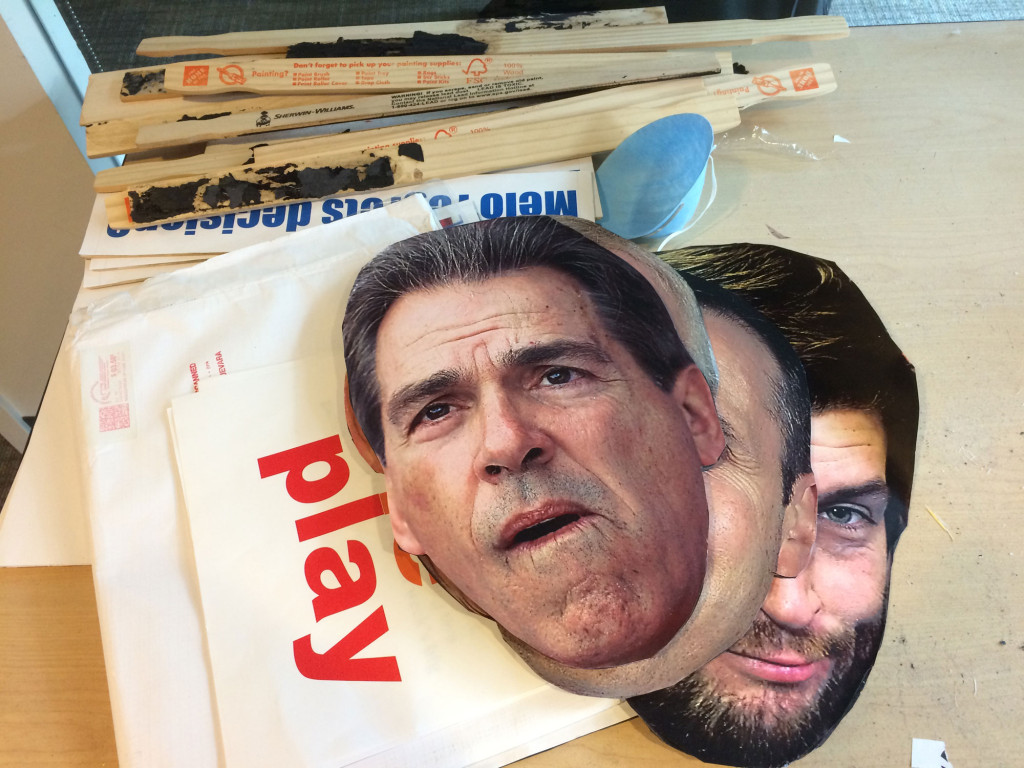
Rydholm also came up with many of the bits the hosts play out on the show, such as Heads on Sticks. It was based off a bit where athletes would wear masks around Halloween, and he imported it into the show. Fourteen years later, he still prints, cuts and glues the faces to the paint sticks himself. He defers any credit for what has worked to his show鈥檚 stars.
鈥淗onestly, this show should probably be a whole hell of a lot better,鈥� he laughs. 鈥淭oo often I think I鈥檝e constrained it to the bounds of my own creativity and energy.鈥�
Longtime D.C. sports fans no doubt remember both Kornheiser and Wilbon from their long tenures at the Post. And yet, few people seem to realize that the show is filmed locally.
鈥淣obody does,鈥� says Kornheiser. 鈥淲henever they see us, if they don鈥檛 know us, they go, 鈥榃ow, I can鈥檛 believe I鈥檓 seeing you here!鈥� Like, I鈥檒l be in the Safeway — 鈥業 can鈥檛 believe you鈥檙e here!鈥� And I go, 鈥榃hat do you mean? No, no. We do it here! We live here!鈥欌��
Of course, you would never know the show was filmed here based on the set design, or even the topics discussed. In that sense, it鈥檚 almost perfect that, despite being the cornerstone show of ESPN鈥檚 D.C. office, PTI remains distinctly national in scope, like so much else in this town. In fact, if anything, the show slants toward another town.
鈥淚t鈥檚 Chicago-centric!鈥� Kornheiser says, a nod to both Wilbon and Rydholm鈥檚 roots in the Windy City. 鈥淚t鈥檚 not D.C.-centric at all.鈥�
Wilbon isn鈥檛 afraid to take ownership of that point.
鈥淭hat is why I get the concrete-hero treatment when I get home to Chicago,鈥� he says. 鈥淏ecause people see all of the shows on this network as being too New York and Boston-centric, which they are, for a Midwestern kid. But you know that鈥檚 going to happen. I rail against that, because it鈥檚 part of what I do.鈥�
Nevertheless, they manage to squeeze in a piece about Georgetown basketball after the Hoyas鈥� throttling of fourth-ranked Villanova, after which students stormed the court, much to their chagrin. After the bit, Kornheiser rues the missed opportunity for a joke.
鈥淚 should have said JT2 would have rolled over in his grave if he saw what happened,鈥� he quips, referring to the former Georgetown coach, who is still very much alive. 鈥淭hat would have been funny.鈥�
鈥淧ardon the Interruption, I鈥檓 Mike Wilbon,鈥� the show begins, as Wilbon turns to address Kornheiser. 鈥淭onight is the President鈥檚 State of the Union Address. Tony, what鈥檚 the state of our union?鈥�
It鈥檚 a valid question, after nearly 14 years and 3,000 episodes on the air. That鈥檚 more than “Late Night with Conan O鈥橞rien” (2,725) or “The Daily Show” (2,583). Kornheiser, for his part, replies with a line emblematic of that instigator personality, the comic foil to the genuine query.
鈥淭urnt up, thirsty and on fleek!鈥�
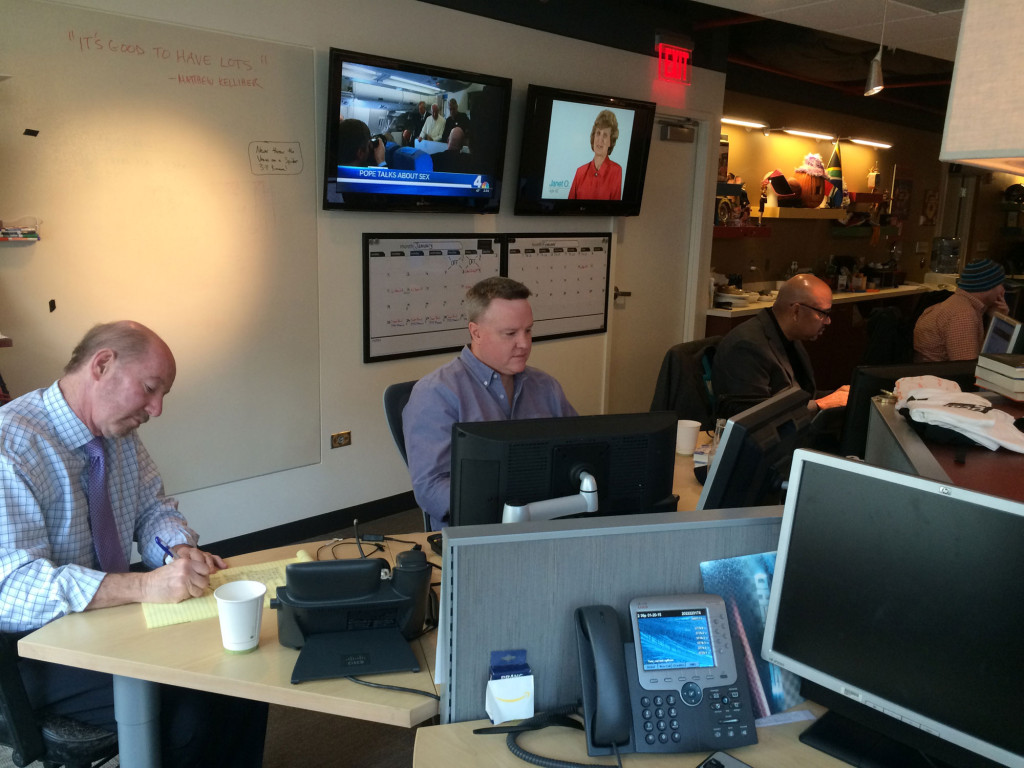
The discussion between whether to use 鈥渙n fleek鈥� or just 鈥渇leek鈥� was hammered out a couple hours earlier. The staff of about a half-dozen sits at their desks on the sixth floor of the ABC 草莓传媒 building near Dupont Circle and prep the day鈥檚 rundown of topics and corresponding B-roll. There are often two separate conversations happening at any time between combinations of Kelliher, Wilbon, Kornheiser and Rydholm.
While the former two confer over the order of topics for the day, the latter pair discuss the merit of train travel in the States and abroad. The conversations flow between work and topical banter, then back again fluidly.
Once the show鈥檚 intros are scripted, the two head to the set to film the Five Good Minutes segment, the only longer-form segment of the show in which they take turns interviewing a guest. This day, it鈥檚 Elton Brand of the surprisingly successful Atlanta Hawks, one of the few NBA veterans with a tenure longer than the run of “PTI.”
鈥淭he Hawks have won 13 games in a row, leading many people to wonder, how?鈥� says Kornheiser as he introduces the day鈥檚 guest. Off the screen, Brand smirks before the camera cuts over.
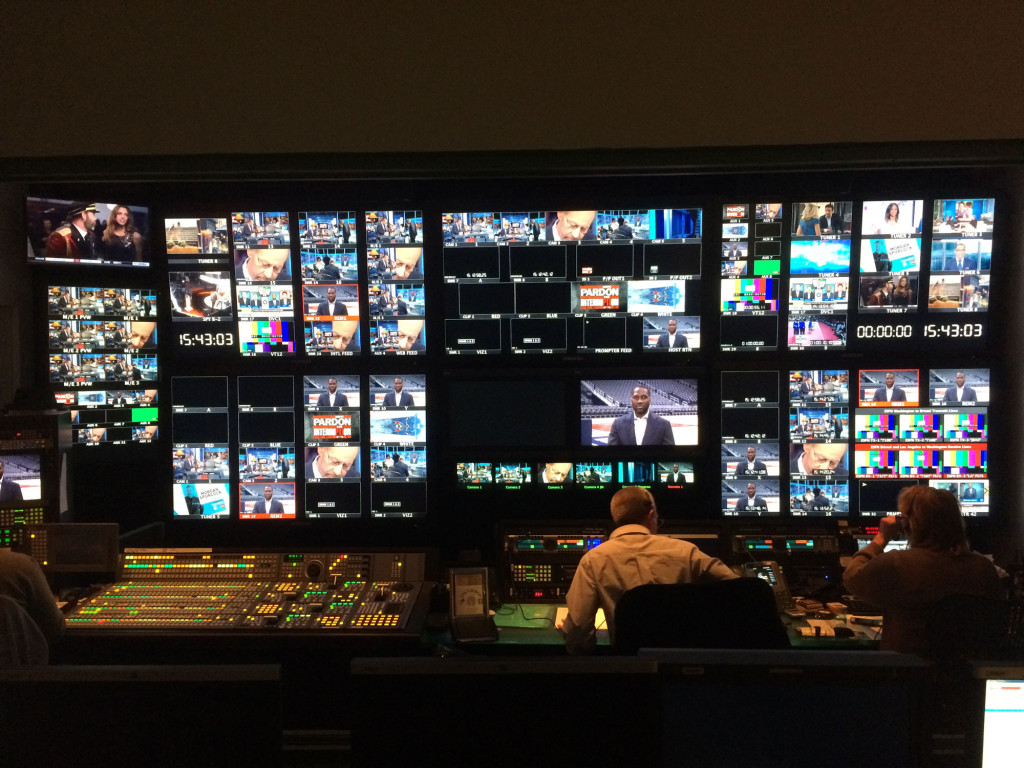
Just because “PTI” centers around debate doesn鈥檛 mean the two always disagree on the air. As the show moves to Arizona next week for the Super Bowl, both will be in Phoenix with the Pro Bowl taking place across town, but neither expresses any interest in attending. After each highlights different aspects of the game鈥檚 banality, Kornheiser admits that people want to watch, as evidenced by the ratings. During the show, Wilbon ad libs and puts Kornheiser on the spot.
鈥淵ou got one last chance,鈥� he says. 鈥淵ou want me to get tickets?鈥�
鈥淕别迟 one,鈥� Kornheiser retorts, without missing a beat.
It鈥檚 a perfect example of the way the two interact — an unforced bit of unscripted humor that makes the show stand above its would-be competitors.
This will be a rare trip for Kornheiser, who spends most of his time in D.C. and still hosts a two-hour daily radio show locally in Washington.聽Wilbon travels much more frequently for ESPN duties away from “PTI,” primarily working NBA games. Even when he鈥檚 out of town, they will often have him join the show via satellite. While there are occasional guest hosts, the duo of Kornheiser and Wilbon has been the show鈥檚 foundation since its inception, and continues to be so.
It鈥檚 essentially the same process that鈥檚 been there since the beginning, minus Tony Reali, the show鈥檚 鈥淪tat Boy.鈥� Also the host of “Around the Horn,” he recently added a gig as social media correspondent for “Good Morning America,” a professional move that required a physical move to New York. Now the show is filmed there, where he splits a studio with Keith Olbermann, the set turned over twice daily between shows.
Meanwhile, “PTI” motors on. And in spite of the daily challenge of creating and executing the show, the rhythm of a deadline and the reward of a finished product every day appeal to everyone involved, keeping them from tiring of the process.
鈥淔or me personally, I just found this little niche, this little seam in the world that fit all the stuff I cared about and how I work best,鈥� says Rydholm. 鈥淗ow do you get bored with coming to an office and laughing 15 times a day?鈥�
That鈥檚 why the show remains largely the same as it did when it first aired. It hasn鈥檛 broken, so nobody鈥檚 wasted their time trying to fix it. Kornheiser says he only has one request.
鈥淛ust don鈥檛 quote us saying any stupid things that get us fired. We鈥檝e got a good gig. Don鈥檛 screw it up.鈥�
Follow and on Twitter and .


